Cricket Poop: What It Looks Like, Uses, and Why It Matters

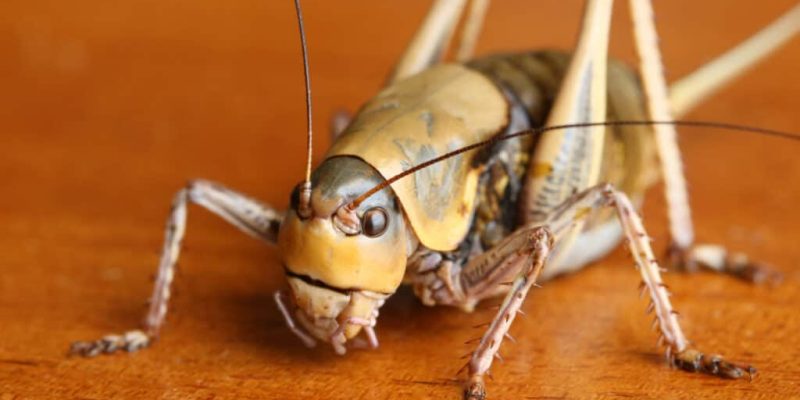
When most people think about crickets, they imagine chirping insects hopping around in the grass or being used as food for reptiles. But few realize that cricket poop, known scientifically as cricket frass, has growing importance in agriculture, environmental science, and even sustainable living. In this article, we will explore what cricket poop is, how it looks, what it contains, and why it is quickly becoming a valuable natural resource.
What Is Cricket Poop?
Cricket poop, often called frass, refers to the waste excreted by crickets. Like any living creature, crickets process food through their digestive systems, and the leftover material exits as small droppings. While it may seem insignificant, this natural byproduct is rich in nutrients that benefit plants and soil health. Cricket frass is completely organic, making it a sustainable option for gardeners and eco-conscious farmers.
What Does Cricket Poop Look Like?
Cricket poop is usually small, dry, and dark brown or black. It appears as tiny pellets or grains of sand and is often mistaken for coffee grounds or soil particles. The size and texture of cricket droppings can vary slightly depending on the species and diet of the cricket.
If you keep crickets as pets or use them for reptile food, you may notice their droppings accumulating at the bottom of their enclosure. A healthy cricket colony produces dry, odorless frass when the enclosure is clean and well-ventilated.
How Is Cricket Poop Formed?
Crickets are omnivorous insects that eat plant matter, grains, vegetables, and sometimes other small insects. Once food is consumed, it passes through their digestive system, where nutrients are absorbed. The undigested material is expelled as frass.
This frass is rich in nitrogen, phosphorus, potassium, and other essential minerals that plants need to thrive. In many ways, cricket poop functions similarly to animal manure, except that it is much less smelly and easier to handle.
Nutritional Composition of Cricket Poop
Cricket frass is not just waste; it is a nutrient powerhouse. It contains key elements that enrich soil fertility:
- Nitrogen: Promotes leaf growth and helps plants produce chlorophyll.
- Phosphorus: Encourages root development and flowering.
- Potassium: Strengthens plants and improves resistance to disease.
In addition to these macronutrients, cricket frass also contains beneficial microbes and chitin, a natural compound derived from insect exoskeletons. Chitin plays an important role in stimulating plant immune systems, helping them defend against pests and pathogens.
Why Cricket Poop Matters in Agriculture
Cricket frass has become an increasingly popular organic fertilizer. Unlike synthetic fertilizers that can damage soil health over time, frass enhances soil structure and supports microbial activity.
Farmers and gardeners who use cricket poop report better plant growth, higher yields, and improved soil moisture retention. Because cricket farms produce frass as a byproduct of cricket rearing, it is an affordable and eco-friendly solution that fits perfectly into circular farming systems.
Environmental Benefits of Using Cricket Poop
One of the biggest reasons cricket poop matters is its environmental sustainability. Crickets are already considered a sustainable source of protein because they require minimal water, land, and feed compared to livestock. Their waste adds another layer of benefit by creating a closed-loop agricultural system.
By using cricket frass as fertilizer, we reduce the need for chemical inputs and prevent waste from going to landfills. This helps lower greenhouse gas emissions and supports regenerative farming practices. Essentially, nothing goes to waste — both crickets and their poop contribute to a healthier planet.
How to Use Cricket Poop in Gardening
Using cricket frass in your garden is simple and effective. It can be mixed directly into the soil or used as a top dressing for existing plants.
For best results:
- Add one cup of frass for every 20 pounds of soil during planting.
- Mix it evenly with compost or potting soil for nutrient enrichment.
- Sprinkle it lightly around the base of plants every few weeks.
Cricket poop is gentle enough that it will not burn plant roots like some stronger fertilizers. It provides slow-release nutrients that support long-term plant health. Gardeners often notice greener leaves, stronger roots, and more vibrant blooms after a few applications.
Cricket Poop vs. Other Organic Fertilizers
When compared with traditional animal manures such as cow, chicken, or horse dung, cricket frass has several advantages.
- Odor: Cricket poop is nearly odorless, while other manures can be unpleasant to handle.
- Pathogens: It contains fewer harmful bacteria, making it safer to use indoors or for edible plants.
- Nutrient balance: The ratio of nitrogen, phosphorus, and potassium in cricket frass is naturally balanced, so there is less risk of overfertilizing.
- Sustainability: Crickets consume fewer resources than livestock, making their waste a cleaner and greener option.
These features make cricket frass one of the most efficient organic fertilizers available today.
The Role of Cricket Poop in Waste Reduction
Cricket farming has a low environmental footprint, and their poop plays a vital role in waste reduction. Many cricket farms use leftover vegetables or grain byproducts as feed, converting food waste into valuable fertilizer through the crickets’ digestive process.
This transformation demonstrates the principles of circular economy — nothing is wasted, and every output has value. Cricket frass can even be processed into compost or sold commercially to organic gardeners, further supporting sustainable business models.
The Future of Cricket Poop in Sustainable Farming
As global populations rise and demand for sustainable food production grows, innovations like cricket farming are becoming increasingly important. The use of cricket frass could reduce dependence on chemical fertilizers, improve soil health, and help combat climate change.
Researchers are also studying the microbial communities in cricket frass to understand how they promote plant growth naturally. Some agricultural startups are already packaging cricket poop as a premium organic fertilizer for both home gardeners and large-scale farmers.
The more we learn about this natural resource, the clearer it becomes that cricket poop has a vital role to play in building a sustainable future.
Conclusion
Cricket poop may seem like an unlikely hero in the quest for sustainability, but it holds enormous potential. This small, dry waste product is nutrient-rich, safe, and environmentally friendly. It supports plant health, enhances soil fertility, and reduces our reliance on chemical fertilizers. By transforming waste into a resource, cricket frass embodies the principles of circular and regenerative agriculture.
Whether you are a home gardener or a large-scale farmer, considering cricket poop as part of your growing strategy could help you cultivate healthier plants while protecting the planet.
FAQs
1. Is cricket poop safe to use in my garden?
Yes, cricket poop is completely safe for gardens. It is an organic fertilizer free from harmful chemicals and pathogens. It is gentle on plants and suitable for vegetables, flowers, and indoor plants.
2. Does cricket poop smell bad?
No, cricket frass has little to no odor. It is dry and non-offensive compared to animal manure, making it ideal for use even in small spaces or indoor gardening setups.
3. Can I collect cricket poop from my pet crickets?
Absolutely. If you keep crickets for pets or reptile food, you can collect their droppings from the bottom of their enclosure. Just make sure to remove any leftover food or debris before using it in soil.
4. How often should I apply cricket poop to my plants?
You can apply cricket frass every few weeks as a top dressing or mix it into the soil at planting time. Because it releases nutrients slowly, it provides consistent nourishment without overfertilizing.
5. Where can I buy cricket poop fertilizer?
Cricket frass is available online through eco-friendly farming suppliers and specialty garden stores. You can also find it directly from insect farms that raise crickets for feed or food production.
Also read: How Long Does Deodorant Last – Everything You Need to Know