
Spartacus Rape Scene Explained: Context, Impact, and Controversy

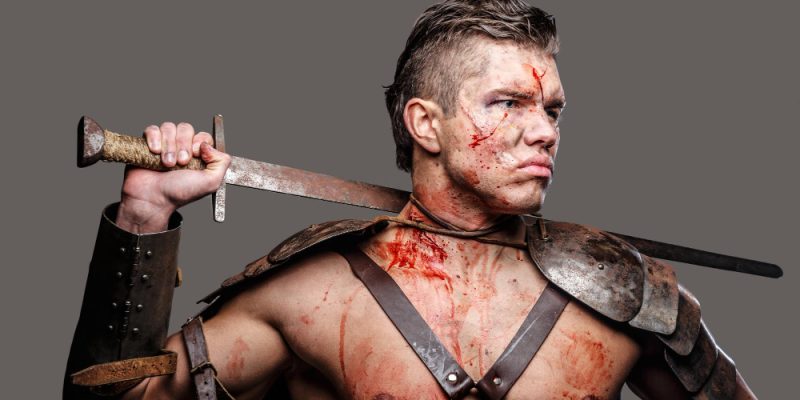
The television series Spartacus is widely known for its intense storytelling, graphic violence, and explicit themes. Among the most debated aspects of the show are scenes involving sexual violence, including rape. These moments have sparked long-standing discussion among audiences, critics, and scholars about narrative necessity, ethical responsibility, and the portrayal of power in historical drama.
This article examines the rape scenes in Spartacus through context, narrative intent, audience impact, and ongoing controversy, with a focus on understanding rather than sensationalizing these difficult moments.
Understanding the World of Spartacus
Spartacus is set in the brutal environment of ancient Rome, where slavery, exploitation, and systemic violence were normalized. The series intentionally presents a harsh world in which power is exercised through physical domination, social control, and sexual abuse.
The show’s creators aimed to depict Rome not as a romanticized empire, but as a society built on inequality and cruelty. Sexual violence is portrayed as part of that system, not as an isolated shock element, but as one of many tools used by those in power.
Narrative Context of the Rape Scenes
Within Spartacus, rape scenes are usually positioned to demonstrate the absolute lack of autonomy experienced by enslaved individuals. These scenes often occur in moments where characters are stripped of agency to reinforce the reality that their bodies are treated as property.
Rather than focusing on sexual desire, these scenes are framed as acts of domination and humiliation. The intent is to communicate how deeply violence is embedded in the social structure of the story’s world.
Purpose Within Character Development
One reason these scenes are included is to shape character arcs. Survivors of sexual violence in Spartacus are often shown grappling with trauma, anger, and loss of identity. Their responses influence later decisions, motivations, and acts of rebellion.
For antagonists, these acts reinforce their moral corruption and abuse of power. The scenes are meant to remove ambiguity about who holds control and who is oppressed, pushing viewers to emotionally align with the enslaved characters.
Historical Accuracy Versus Creative Choice
Defenders of the show often argue that sexual violence was a documented reality of slavery in ancient Rome. Enslaved people had no legal protection and were vulnerable to abuse by owners and elites.
However, critics point out that historical accuracy does not require repeated on-screen depiction. The question becomes whether showing these acts explicitly adds understanding or simply reinforces trauma through repetition. This debate lies at the heart of the controversy.
Audience Reaction and Viewer Impact
Reactions to the rape scenes in Spartacus vary widely. Some viewers believe the scenes are powerful and necessary, forcing audiences to confront uncomfortable truths about historical oppression.
Others feel the scenes are excessive and emotionally distressing, particularly for viewers with personal experiences of sexual violence. Many argue that implication rather than depiction could have conveyed the same message with less harm.
The intensity of Spartacus means that these reactions are often strong and deeply personal.
Criticism of Sensationalism
One of the most common criticisms of Spartacus is that it sometimes blurs the line between critique and spectacle. While the show intends to condemn violence, critics argue that the stylized presentation and frequency of explicit scenes can undermine that goal.
When violence becomes visually excessive, some viewers feel it risks normalizing or exploiting suffering rather than condemning it. This concern is especially significant when dealing with sexual assault, which carries real-world psychological consequences.
Gender, Power, and Representation
The rape scenes in Spartacus are deeply tied to themes of gender and power. Women, both enslaved and free, are frequently shown as vulnerable to male dominance within the Roman system.
However, the series also portrays men as victims of sexual violence, challenging the notion that rape is exclusively a female experience. This broader representation highlights how absolute power dehumanizes all who lack status, regardless of gender.
Ethical Responsibility in Storytelling
Modern audiences increasingly expect creators to handle sexual violence with care. Ethical storytelling asks whether harm is depicted thoughtfully, whether survivors are given narrative dignity, and whether scenes serve a clear purpose.
Spartacus was produced at a time when television boundaries were expanding, but contemporary viewers often reassess the series through a more critical lens, questioning choices that were once considered bold but are now seen as problematic.
Cultural and Critical Legacy
The controversy surrounding rape scenes has become part of Spartacus’s legacy. While the show is praised for its ambition, performances, and themes of resistance, its handling of sexual violence remains divisive.
Academic and critical discussions often use Spartacus as an example when examining how media portrays trauma and power, making it a case study in both effective and flawed storytelling.
Why the Debate Still Matters
The continued discussion about Spartacus reflects broader conversations about representation in media. How stories depict violence influences cultural attitudes, empathy, and understanding.
By examining these scenes critically, audiences can better understand the responsibilities of creators and the importance of balancing realism with compassion.
Conclusion
The rape scenes in Spartacus exist at the intersection of historical realism, narrative intent, and ethical controversy. While they aim to expose the brutality of ancient Rome and the suffering of the enslaved, they also raise valid concerns about depiction, impact, and viewer well-being.
Understanding these scenes requires context, critical thinking, and sensitivity. Spartacus remains a powerful but polarizing series, and its portrayal of sexual violence continues to challenge how stories of oppression should be told.
FAQs
Why are rape scenes included in Spartacus
They are used to illustrate the extreme power imbalance of slavery and to show how violence was embedded in Roman society.
Are the rape scenes historically accurate
Sexual exploitation of enslaved people did occur historically, but the extent of on-screen depiction is a creative choice rather than a historical necessity.
Did viewers criticize these scenes
Yes, many viewers and critics felt the scenes were excessive and emotionally harmful, while others believed they were narratively justified.
Does Spartacus portray male sexual assault
Yes, the series includes male victims, emphasizing that sexual violence is about power rather than gender alone.
Should viewers be cautious before watching
Viewers sensitive to sexual violence may want to approach the series carefully or seek content warnings before watching.
Also read: Contact FutureTechGirls – Support, Partnerships & Inquiries