Can K-Cups Go Bad? Shelf Life, Storage, and Expiration Explained

K-Cups have revolutionized the way people enjoy coffee, offering convenience, consistency, and a wide range of flavors at the push of a button. But if you are a regular user, you might have found old pods sitting in your pantry and wondered, can K-Cups go bad? While they don’t spoil like fresh coffee or milk, they do lose freshness and flavor over time.
This article explains the shelf life of K-Cups, how to store them, how to spot signs of aging, and whether expired pods are safe to use.
Understanding What K-Cups Are
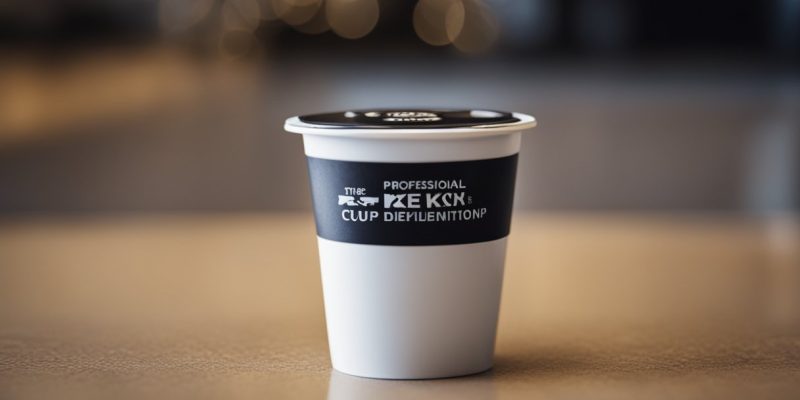
K-Cups are single-serving coffee pods designed for Keurig brewing machines. Each pod is made up of an airtight plastic cup containing ground coffee, tea, or cocoa sealed with a foil lid and an internal paper filter. The airtight seal is what keeps the coffee inside fresh for an extended period.
The design prevents exposure to air, light, and moisture, which are the main factors that cause coffee to go stale. However, just because K-Cups stay fresh longer than open coffee grounds does not mean they last forever.
Do K-Cups Expire or Go Bad?
Technically, K-Cups do not “go bad” in the traditional sense. Because they are sealed, they do not support bacterial growth like perishable foods do. However, they do lose their flavor, aroma, and quality over time.
Each K-Cup comes with a “best by” date printed on the packaging. This date is not an expiration date but rather an estimate of how long the product will maintain its peak flavor and freshness. Once that date passes, the coffee is still safe to drink but may taste dull or stale.
How Long Do K-Cups Last?
Most K-Cups have a shelf life of 8 to 12 months from the production date when stored properly. Because of the vacuum-sealed packaging, many people find that K-Cups still taste good for months beyond the printed date.
Factors like storage conditions, temperature, and humidity can affect how long they last. Storing them in a cool, dry place away from direct sunlight can significantly extend their usability.
If the pods are stored properly, coffee K-Cups can stay flavorful for up to a year past their best-by date, while tea and cocoa pods might lose flavor more quickly.
How to Read K-Cup Expiration Dates
The expiration or best-by date is usually printed on the top or bottom of the pod box or on each individual pod. It may appear as “Best By 03/2026” or a similar format.
This date simply tells you when the manufacturer expects the product to taste its best. Even after this date, as long as the K-Cup is not damaged or punctured, the contents are still safe to brew. However, the flavor may not be as rich or aromatic as when it was fresh.
What Happens When K-Cups Get Old
Over time, coffee inside the pod begins to lose its natural oils and aromas. This process is called oxidation, and it happens gradually even with the airtight seal.
When K-Cups age:
- The coffee flavor becomes flat or weak.
- The aroma fades.
- The brew may taste slightly bitter or off.
- In rare cases, moisture exposure can cause clumping or mold growth.
Old K-Cups won’t make you sick, but they will deliver a less enjoyable cup of coffee. For the best experience, try to use them within a few months of the best-by date.
How to Store K-Cups Properly
Proper storage is the key to keeping your K-Cups fresh for as long as possible. Here are some effective storage tips:
- Keep them in a cool, dry place: Avoid storing K-Cups near ovens, dishwashers, or other heat sources.
- Avoid humidity: Moisture can seep through small punctures or loose seals, ruining the coffee inside.
- Use airtight containers: If you remove the pods from the original box, store them in airtight jars or containers to minimize exposure to air.
- Avoid freezing or refrigerating: Contrary to popular belief, cold environments can cause condensation and damage the pods when brought back to room temperature.
A pantry or cabinet away from direct sunlight is the ideal place for long-term storage.
Can You Drink Expired K-Cups?
Yes, you can drink expired K-Cups as long as they are stored correctly and show no signs of damage. The coffee may not taste as bold or aromatic, but it remains safe to consume.
However, it’s important to inspect the pod before brewing. If the foil lid is bulging, torn, or leaking, it’s best to throw it away. If you open the pod and notice an unusual smell or moisture inside, discard it immediately.
While drinking an old K-Cup won’t make you sick, it may leave you disappointed with the taste. Freshness makes a big difference in coffee quality.
Signs Your K-Cups Have Gone Bad
Although rare, K-Cups can occasionally go bad, especially if the seal is broken or if they’ve been exposed to heat and humidity. Here are some signs that indicate it’s time to toss them:
- Swollen or bulging lid: This suggests gas buildup from spoilage.
- Punctured or broken seal: Air and moisture may have entered, making the contents stale or moldy.
- Visible mold or moisture: Coffee should be dry. Any clumping or discoloration means the pod is no longer safe.
- Unusual smell or taste: A sour, metallic, or musty aroma is a clear sign of spoilage.
When in doubt, it’s better to discard questionable pods rather than risk brewing them.
Do Other Types of K-Cups Go Bad Too?
Keurig offers a variety of pod types, including coffee, tea, cocoa, and even soup or hot cider pods. Each type has a slightly different shelf life:
- Coffee pods: Typically last the longest, up to a year or more.
- Tea pods: Can lose flavor faster, especially herbal varieties.
- Hot chocolate pods: Contain dairy or sugar, which can degrade faster over time.
- Specialty pods: Like cappuccino or mocha blends may include milk powder or flavor oils, which shorten the shelf life.
If you’re unsure about an older pod, check its best-by date and inspect it carefully before use.
How to Keep Your Coffee Fresh Without Waste
If you buy K-Cups in bulk, it’s easy to end up with more than you can drink in a few months. To keep them fresh without waste:
- Store pods in rotation—use the oldest first.
- Avoid leaving pods in the machine for long periods.
- Keep track of purchase dates and best-by dates.
- Consider smaller packs if you don’t drink coffee daily.
This ensures you’re always enjoying the freshest coffee possible and not letting older pods sit unused for years.
Conclusion
K-Cups have made coffee brewing fast, easy, and consistent. While they don’t technically “go bad” in the same way perishable foods do, they can lose freshness and flavor over time. A well-stored K-Cup can last up to a year past its best-by date, but it’s always best to enjoy them while fresh.
Proper storage—keeping them cool, dry, and sealed—can make a big difference in maintaining flavor. And if you find yourself wondering about an older pod, check for signs of damage before brewing.
So, can K-Cups go bad? Not exactly—but their taste and quality certainly can fade. The best way to enjoy a rich, flavorful cup is to buy what you’ll use within a year and store them properly.
FAQs
1. How long do K-Cups last after the expiration date?
Most K-Cups remain fresh for up to a year after the best-by date if stored properly. While they may lose some flavor, they’re generally safe to drink.
2. Can I store K-Cups in the refrigerator or freezer?
It’s not recommended. The temperature changes can cause moisture buildup, which may affect the seal and flavor of the coffee inside.
3. Why do some K-Cups taste stale before the expiration date?
Improper storage, such as exposure to heat, humidity, or light, can make the coffee inside lose flavor even before the printed date.
4. Can old K-Cups make you sick?
It’s unlikely, but if the pod is damaged or shows signs of mold or leakage, discard it. Drinking from a spoiled pod may cause stomach discomfort.
5. What’s the best way to store K-Cups for long-term freshness?
Keep them in a cool, dry cabinet or pantry, away from direct sunlight, moisture, and heat sources. Using airtight containers can help extend freshness.
Also read: Small American Flag: Perfect Mini Flags for Display or Decor